News
Increasing the capacity of the OBIS Community to publish DNA-derived biodiversity data
10 July 2026
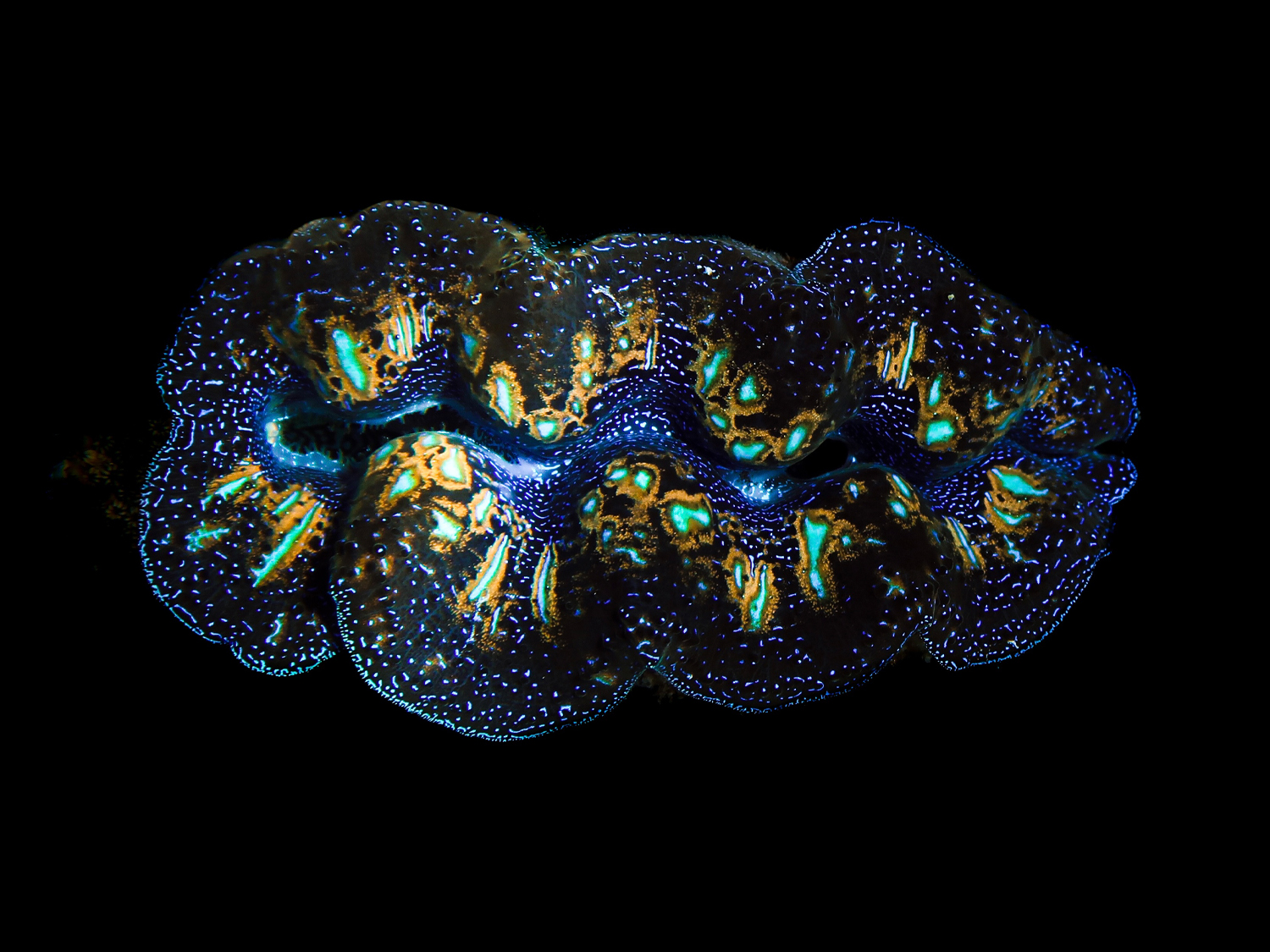
Giant Clam, Raja Ampat.
Photo: Michele du Plooy / Kogia
Mobilizing DNA-derived marine observations is becoming increasingly important to address marine biodiversity data gaps, particularly in under-observed regions where traditional monitoring can be challenging and resources are limited. Today, records generated from environmental DNA (eDNA) already account for up to a quarter of all occurrence records available through the Ocean Biodiversity Information System (OBIS). However, because DNA-derived datasets contain multiple layers of information, publishing them in a FAIR, Darwin Core-compliant format requires specialized knowledge and a good understanding of the standard.
A hands-on workshop for OBIS Nodes
To help meet this growing need, the OBIS team at the IOC Secretariat organized a hands-on online training workshop dedicated to the publication of DNA-derived biodiversity datasets. Held on 2 July, the workshop welcomed 18 participants representing 12 OBIS Nodes and was primarily designed for Node managers with little or no prior experience working with eDNA data.
These workshops are a two-way learning experience: We gain insight into the needs of the OBIS Community, and concretely learn how DNA data standards might interact, or interfere, with other data types.
Across two interactive sessions, participants were introduced to the fundamentals of DNA-derived biodiversity observations, the format of the DNA Darwin Core extension, and best practices for publishing them through OBIS. Using a real metabarcoding dataset, participants worked through the publication workflow step by step, transforming raw outputs into a FAIR, standardized dataset while discussing common challenges encountered during the process. “These workshops with our Nodes are a two-way learning experience,” explained Saara Suominen, OBIS Senior Scientific Officer and one of the instructors at the workshop. “We gain insight into the needs of the OBIS Community, and concretely learn how DNA data standards might interact, or interfere, with other data types.”
The workshop slides can be accessed here: https://iobis.github.io/obis_edna_slides_node_training/#/title-slide
Understanding how DNA-derived observations fit within Darwin Core
Participants learned how information is distributed across the Event, Occurrence, and DNA extension tables, and why assigning information to the correct fields is essential to maintain interoperability. Through practical exercises, they clarified common points of confusion, such as distinguishing field sampling information from DNA sequencing results. They learned how measurements such as sampled water volume, sequence read counts, and taxon-specific abundances should be represented within the Darwin Core framework.
Capturing complete methodological information
The workshop also highlighted the importance of documenting the full workflow behind DNA-derived observations. Participants learned how to capture and link protocols describing field sampling, laboratory procedures, DNA extraction, sequencing and bioinformatics analyses, ensuring that datasets remain transparent, reproducible and reusable long after publication.
Building confidence among OBIS Nodes
Working through a complete dataset, field by field, gave participants a much clearer understanding of how DNA-derived datasets are structured and strengthened their ability to support local researchers and data providers in preparing datasets for publication. This hands-on approach proved particularly valuable for Node managers without a background in molecular ecology. “Deploying a hands-on approach that actually walks participants through the process of identifying, discussing, and formatting the components of DNA data makes the learning experience more tangible, memorable, and engaging,” said Elizabeth Lawrence, OBIS Training Officer and one of the instructors.
Gaining practical skills that can be applied immediately
The practical focus of the workshop was highlighted in participant feedback. “We had received eDNA datasets before, but always relied on the data providers to format them”, explained Maria Cornthwaite, OBIS Canada Node Manager and Co-Chair of the OBIS Nodes Coordination Group, and one of the participants. “After this workshop, I have a much better understanding of what should be in such a dataset.” The hands-on approach and the practical topics covered kick-started the participants in publishing eDNA datasets: for Takashi Hosono, OBIS Japan Node Manager, who participated in the workshop, it “was an excellent course that addressed exactly the questions we needed answered and provided valuable, actionable insights.”
As production and demand for DNA-derived information grow globally, it becomes crucial to accelerate the OBIS Community’s ability to format, integrate, and publish this type of data. OBIS-led capacity development initiatives, such as this workshop, contribute to rapidly filling existing gaps, providing participants with the practical skills to ensure that DNA-derived observations can be mobilized in a FAIR, interoperable format and made readily available to support research, conservation and evidence-based decision-making. ◼️
→ The workshop slides can be accessed here
→ Explore the DNA-related pages in the OBIS Manual
This workshop is part of the OBIS workplan under Outcome 5 “Review and support the alignment and adoption of data standards, specifications, and publication mechanisms”, Deliverable 5.1 “Deliver two workshops to advance adoption of data standards within OBIS”. The workshop took place as part of the activities of the OBIS Data Coordination Group, co-chaired by Ruben Pérez Pérez and Victor Chocho. The workshop content was delivered by the OBIS Secretariat.

