News
OBIS Poland: from the Baltic Sea to the North Atlantic, a trove of data and a reservoir of expertise
9 September 2026
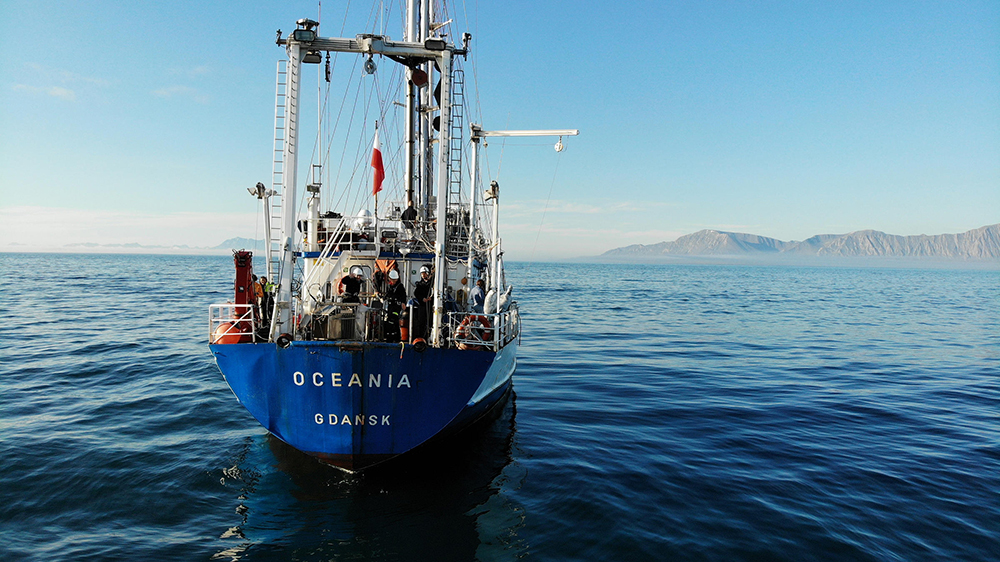
The Research Vessel s/y OCEANIA arriving at the Svalbard Archipelago on 3 August 2018 to conduct fieldwork for the Svalbard Intertidal Project (SIP), a research programme from IO PAN focused on the intertidal ecosystems of Svalbard.
Photo: IO PAN
Poland joins OBIS! With nine datasets already published on the platform, the OBIS Poland Node is off to a quick start. We sat down with Marcin Wichorowski, OBIS Poland Node Manager; Monika Grabowska, OBIS Poland Data Manager; Monika Kędra, IO PAN Deputy Director for Research; and Jan Marcin Węsławski, marine biodiversity researcher and former director of IO PAN, to discuss the context and challenges related to marine biodiversity data in Poland and explore what led to the creation of the node.
For the last 40 years, Poland has been a major actor in marine biodiversity data collection from the Baltic Sea, its natural basin, but also from the North Atlantic, through scientific expeditions taking place between Svalbard, Greenland, and northern Norway. Poland has been, and still is, well-connected to regional marine biodiversity data initiatives, such as EurOBIS, EMODnet and SeaDataNet. Yet, Poland has been facing a triple interlocked challenge preventing the country from contributing in full capacity to global biodiversity platforms, such as OBIS: a fragmented landscape of data providers, lack of national coordination under a centralized publication flow, and huge troves of unpublished historical data sitting at institutions.
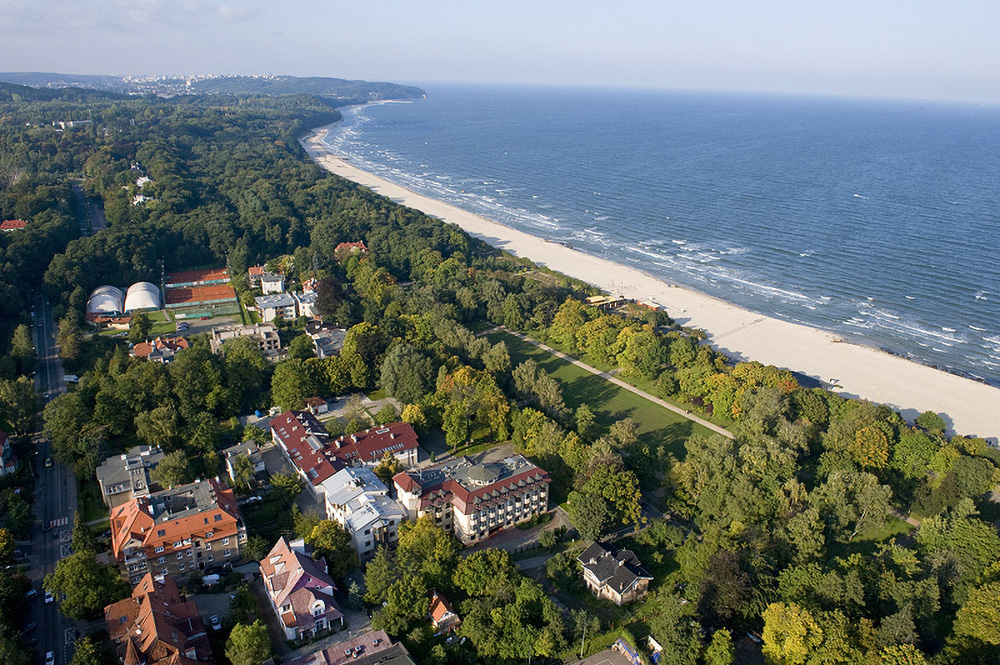
Aerial view of the Institute of Oceanology Polish Academy of Sciences (IO PAN), in Sopot, Poland.
Photo: IO PAN
Building a unified flow for marine data in Poland
One of the first steps to address these challenges started at the Institute of Oceanology of the Polish Academy of Sciences (IO PAN), which would later become the country’s NODC. “In the nineties, we had a breakthrough at IO PAN when we realized that we have very valuable data, especially long time-series that could help monitor the effects of climate change, among many other potential applications,” explains Jan Marcin Węsławski, marine biodiversity researcher and former director of IO PAN. “We also realized that we would need data specialists in addition to scientists if we wanted to increase our capacity to publish that data.” The institute came up with an original solution: establishing data stewards whose role would be to assist researchers in organizing their data and publishing it, including historical data. Monika Grabowska, the current OBIS Poland Data Manager and a former data steward, describes that role as “a link between informatics and science. Stewards can translate and transform technical parts into an easier, more understandable form that encourages researchers to engage and collaborate.” This solution contributed to placing IO PAN at the forefront of data mobilization in Poland, well-positioned to take a major and, eventually, leading role in the national effort to improve marine data management.
Structurally, financially, and even scientifically, IO PAN sits apart from other Polish marine institutions. With a staff of about 200 people, IO PAN independently conducts transdisciplinary research, combining oceanography with marine physics and chemistry into a unique, holistic approach. “Our main mission is to study and understand the oceans: how they function, and how they influence human lives,” says Monika Kędra, IO PAN Deputy Director for Research. “Through deep knowledge of marine ecosystems, and very good knowledge of the environmental conditions and factors that influence them, we can achieve a full understanding of how life functions in the oceans, and how it impacts the whole planet.”
We realized that we would need data specialists in addition to scientists if we wanted to increase our capacity to publish that data.
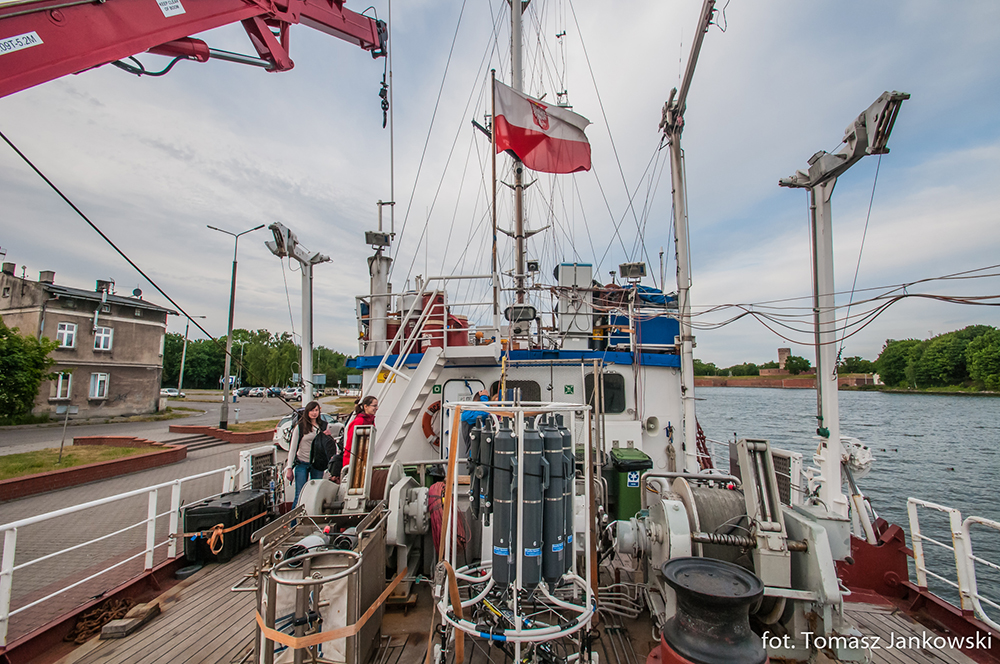
Aboard the Research Vessel s/y OCEANIA.
Photo: Tomaz Jankowski
Poland’s National Oceanographic Data Centre
IO PAN’s transdisciplinary expertise made it the ideal candidate to become Poland’s National Oceanographic Data Centre in October 2025, opening the way to establish a unified marine data centralization workflow in the country. The workflow is aligned with open science, globally accepted biodiversity data standards, such as Darwin Core, and best practices, such as FAIR principles. “This achievement crowns over 20 years of collective efforts from seven Polish marine institutions to establish such an organization,” explains Marcin Wichorowski, OBIS Poland Node Manager. “As the leader of that consortium, IO PAN also got to lead the Polish NODC, in cooperation with other institutes which cover different areas of oceanography, such as geology, physical oceanography, and sea fisheries resources. Together, we have all the attributes of a National Oceanographic Data Centre.”
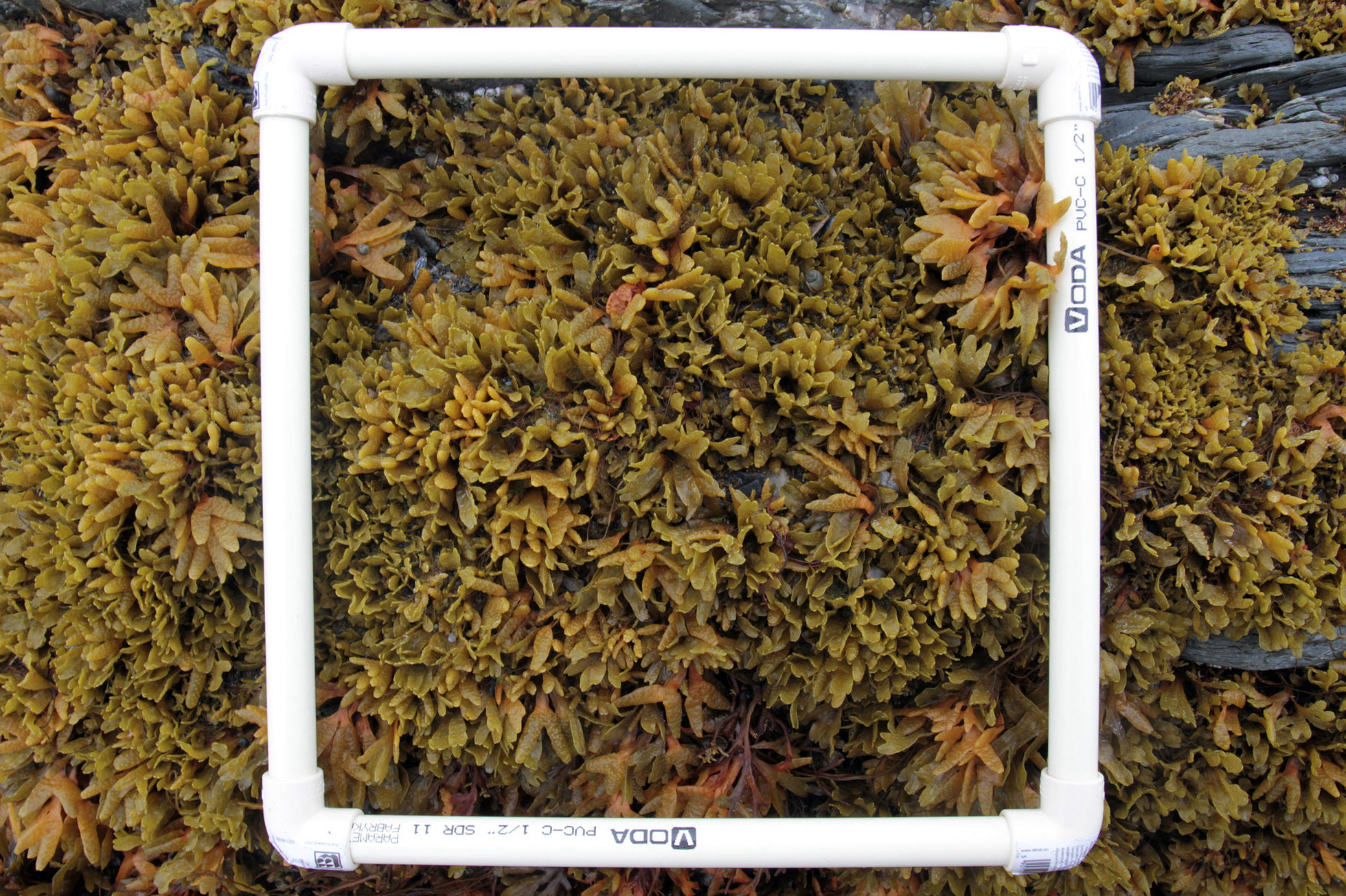
Collection of binding and encrusting organisms from the hard substrate of a rocky shore on Davidsonpynten, Svalbard, August 2018.
Photo: IO PAN
Global recognition for Polish marine data providers
From that, the creation of the OBIS Poland node, which took place on 17 July 2026, was a natural move: the idea of establishing it was an early part of the consortium discussions. “There are a lot of marine biodiversity datasets in Poland that are not visible internationally and, for some, not even visible locally,” continues Marcin Wichorowski. “In too many cases, scientists collect data and put it on a local hard drive.” For the Polish marine institutes involved in establishing the national data management roadmap, an OBIS node in Poland would act as a catalyst to boost mobilization and publication, softly enforce national coordination by granting increased visibility and recognition to Polish data providers on the global stage, and drive the development of data standards fluency and publication skills across the country.
In addition, OBIS, as a global data platform, would also serve as a centralized destination for Polish marine biodiversity datasets, in alignment with the national data strategy. For Jan Marcin Węsławski, OBIS perfectly fits the needs of the Polish marine biodiversity data community: “My perspective is that OBIS was a very natural choice, because, to make it very simple, we would like to be in good company. I know the people who work with OBIS, with whom we have a long history of mutual contacts and networking, and I trust them.”
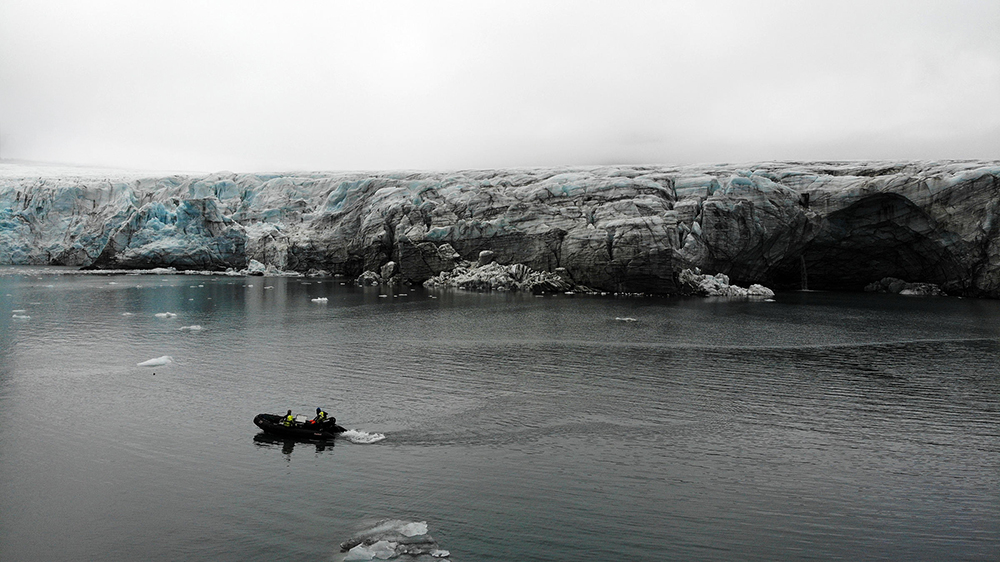
Members of the SIP expedition team carrying out the sampling of suspended matter at various distances from the front of the glacier in Davidsonpynten, Svalbard.
Photo: IO PAN
A growing node with a global outlook
Currently staffed with six members, including a Node manager, a Data Manager, a Physical Data Manager, a Chemical Data Manager, and two members assisting in exploring existing datasets and publishing them, the freshly created OBIS Poland Node has already been very active, with 35,460 records made available on the platform. “We connect with the OBIS community as contributors, but also as users needing data to support evidence-based governmental decision-making,” says Monika Kędra. “Being now part of OBIS increases the visibility and hopefully the use of the data available on the platform in Poland.”
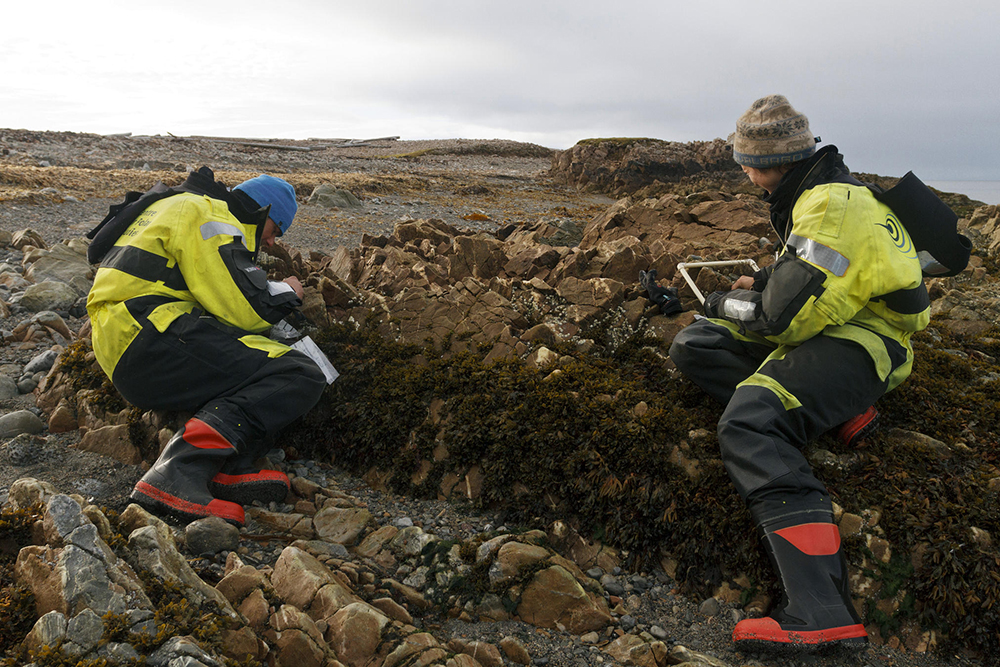
Collection of various organisms from soft sediment and hard bottom by the SIP expedition team.
Photo: IO PAN
We connect with the OBIS community as contributors, but also as users needing data to support evidence-based governmental decision-making.
The Node also hopes that Polish-specific taxonomic expertise could be made useful for the OBIS community. “We have expert taxonomic knowledge from the Baltic Sea and polar species across Poland, and we are making sure to sustain this expertise in the long term.” Eventually, the Node team aims to be able to provide the best possible data and services for scientists worldwide. “We want to be part of the foundation that supports better science. We hope that within five years, Polish scientists will understand the benefits, for science and society, of having well-organised, well-described datasets, provided in a controlled way,” concludes Marcin Wichorowski.
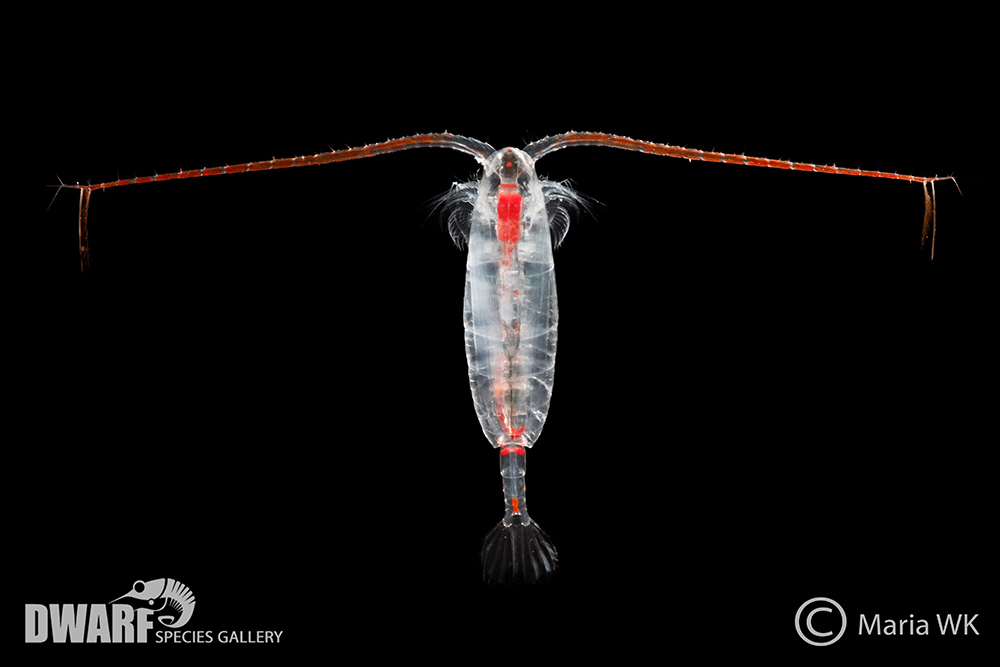
Photo of a Calanus hyperboreus (Goës, 1866) specimen, part of the DWARF Species gallery. DWARF is a research project investigating whether rising temperatures are causing Arctic animals to become smaller and what this could mean for ecosystems.
Photo: Maria WK / DWARF project / IO PAN
The launch of the OBIS Poland Node marks the culmination of decades of data collection, institutional groundwork, and community-building around marine biodiversity in Poland. With a unified national workflow now in place and a growing catalogue of published datasets, the Node stands as a model for how sustained collaboration between institutions can turn locally-held historical records into globally accessible, FAIR data. ◼️

