News
Join Our Team: Associate Project Officer - Ocean Biodiversity Information System
OBIS Vacancy Project officer
OBIS is seeking a dynamic and skilled Associate Project Officer to support the OBIS secretariat in managing ongoing EU project activities and advancing OBIS's engagement in molecular observations.
Historians, Archaeologists and Paleontologists: OBIS, a leading global marine biodiversity database welcomes your time-series data
OBIS HDMT Historical data
The Ocean Biodiversity Information System (OBIS) is a global repository for all types of marine biodiversity data, including invaluable historical, archaeological and paleontological data.
New OBIS course - contributing and publishing datasets to OBIS
OBIS course Capacity building
This detailed course will walk you through all the steps required for publishing data to OBIS, at your own pace. Available from Oct 2, 2023 to Feb 16, 2024.
National Marine Biodiversity Institute of Korea (MABIK) joins the OBIS Network
OBIS node MABIK
The National Marine Biodiversity Institute of Korea (MABIK) joined the OBIS network and will serve as the national OBIS node for the Republic of Korea (KOBIS).
Calling all Biodiversity Enthusiasts - Share Your Insights!
MARCO-BOLO survey
The new EU-funded MARCO-BOLO (MARine Coastal BiOdiversity Long-term Observations) project invites you to complete a survey to share your experiences in producing, managing or using marine, coastal, freshwater or terrestrial biodiversity data.
Adopting best practices to better understand life on the ocean floor
OBIS standards Deep sea Best practices
As the gateway to the world’s ocean biodiversity and biogeographic data and information, the Ocean Biodiversity Information System (OBIS) of the IOC-UNESCO joined a team of international researchers to develop a new set of best practices to help standardise the information collected for seafloor invertebrates.
Recently published datasets
Use cases
Preserving seagrasses in a changing climate
climate change modelling MPA seagrass
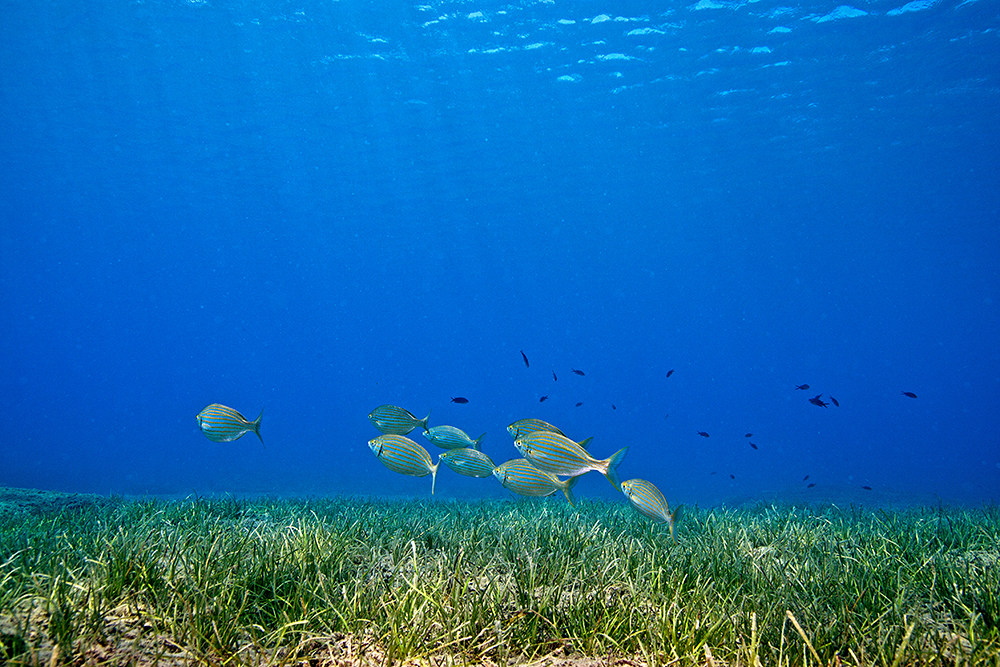
This study provides the first comprehensive global assessment of how climate change may affect the distribution and range of 66 seagrass species. It also examines how well the current global MPA coverage will protect these important ecosystems in the future. The authors relied on occurrence records from OBIS, along with other sources of data and expert knowledge, to develop species distribution models under various scenarios.
Metabarcoding is a promising tool for identifying species of fish from their eggs and larvae
DNA eggs fish larvae ichthyoplankton metabarcoding Indian Ocean
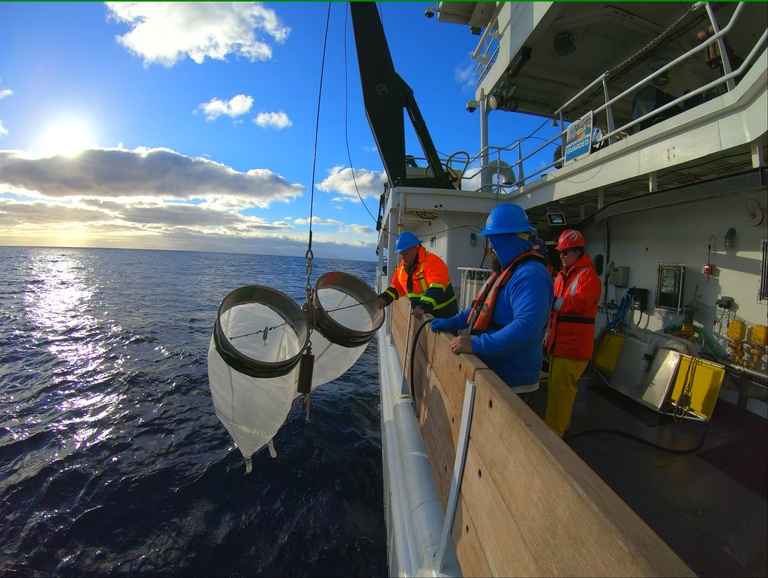
Understanding the diversity and distribution of fish egg and larvae in the ocean provides invaluable information on ecosystem health, capacity to recover from disturbances and helps guide management and conservation efforts. This study shows that metabarcoding is a promising tool that allows for rapid and accurate species identification. OBIS was used to validate and confirm the distribution range, habitat and occurrence of the species detected by metabarcoding.
How many species live in the world’s largest marine mineral exploration region?
Biodiversity Deep sea Pacific Taxonomy
This study offers the first comprehensive synthesis of published data for the Clarion-Clipperton Zone (CCZ) in the central and eastern Pacific. The authors report that this area, which covers 6 million km2, represents significant undescribed biodiversity with an estimated 88%–92% species waiting to be described. Data used in this research were extracted from OBIS highlighting its value as a global data repository for marine biodiversity.
Current knowledge on the reproduction of deep-sea corals
Corals Deep Sea Depth Distribution Reproduction
This study looks at the current state of research on the reproduction of deep-sea corals. Occurrence records were extracted from OBIS to find available information for species living at depths below 100m. Less than 7% of known deep-sea coral species were found to have any aspect of their reproduction reported in the literature highlighting significant gaps and priorities for future research.
Climate-driven diversity changes of Mediterranean echinoids over the last 6 Ma
Echinoidea biodiversity paleoclimate biogeography Miocene salinity crisis late Cenozoic
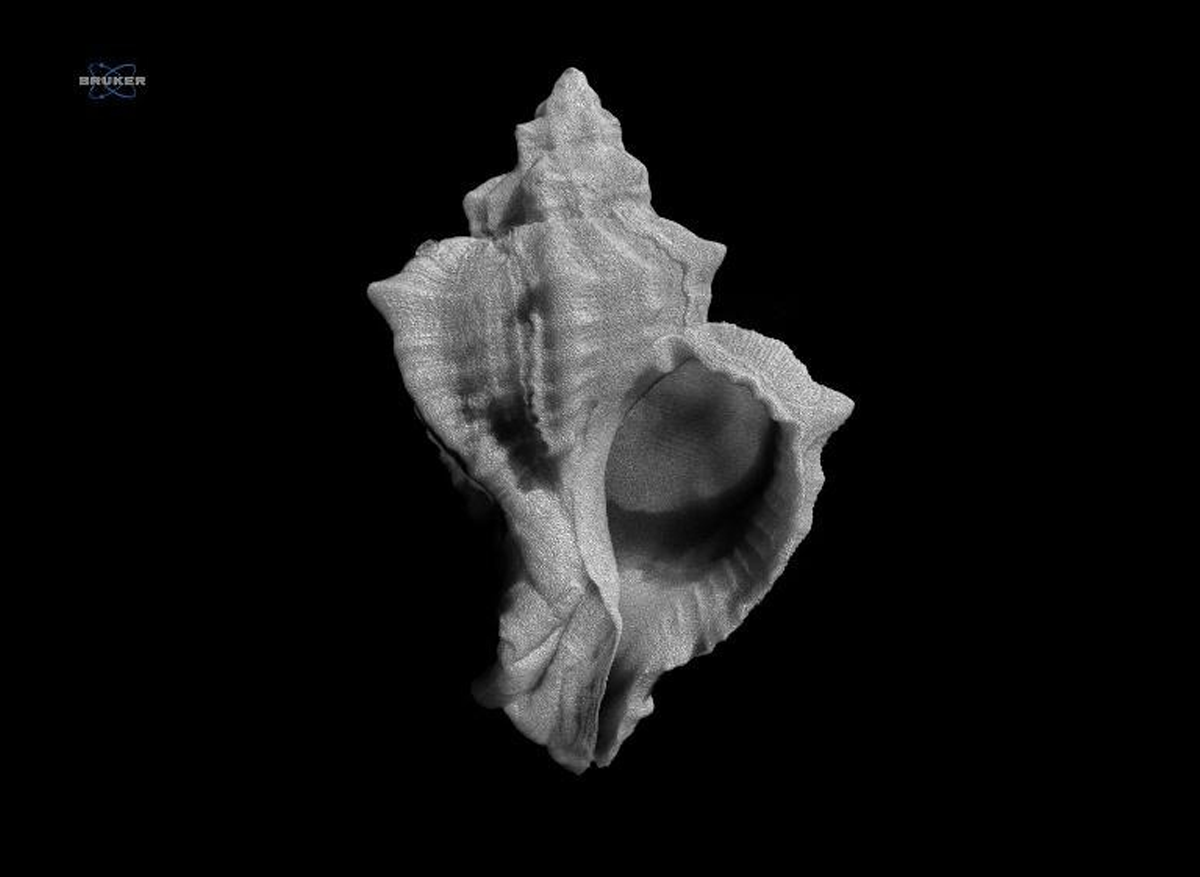
Echinoids are an important component of the Cenozoic marine benthic communities. In this publication, we review their diversity in the Mediterranean area within the Late Miocene to recent, a period of remarkable paleogeographic and paleoclimate changes.
Cumacea (Peracarida) from the deep Nordic Seas
Integrative taxonomy Benthic fauna Deep sea Biogeography
This study compiled and analysed occurrence records of Cumacea from various courses and expeditions, including those available in OBIS, to provide insight into the diversity and distribution of the group from the deep North Atlantic to the Arctic Ocean. The data from this study resulted in the creation of a new OBIS dataset of Icelandic Cumacea (ICECU) from the IceAGE and PASCAL expedition records.