Citizen Science & Public Engagement
OBIS connects communities, divers, schools, and NGOs with biodiversity science, fostering stewardship of the ocean. By integrating citizen-contributed data into global open-access infrastructure, OBIS amplifies the impact of public participation and turns local observations into globally relevant biodiversity knowledge.
Supports: KMGBF Target 21 (participation and access to information), SDG 17
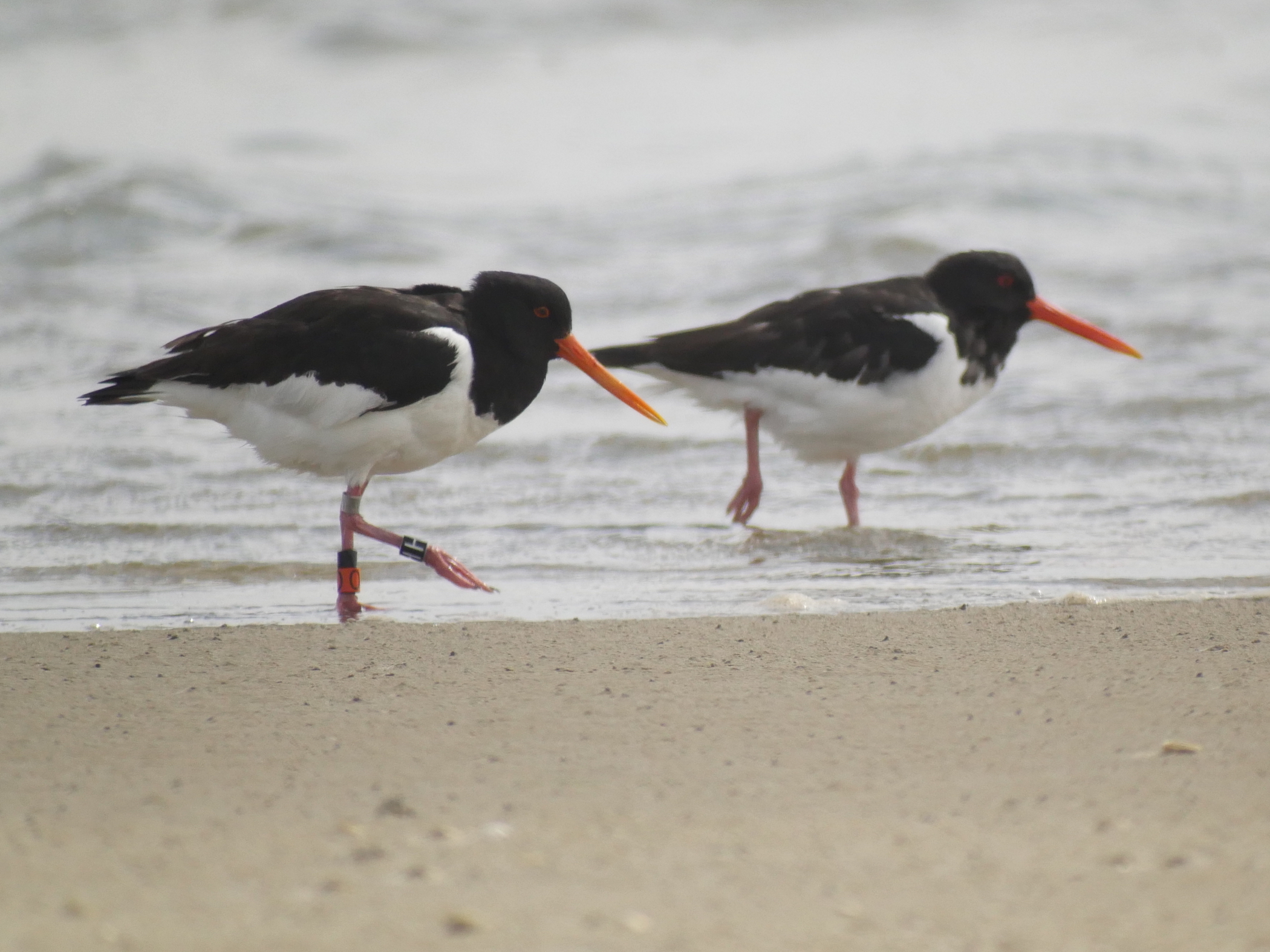 Counting seals with drones and thermal imagery — combining accessible technology with OBIS data infrastructure to scale up marine wildlife monitoring.
Generating scientific-grade biodiversity data through structured community participation
Implemented
In the UNESCO eDNA Expeditions project, community members from 25 countries collected water samples from UNESCO World Heritage marine sites. The samples were analysed for environmental DNA, and the resulting species occurrence data was published through OBIS. The project demonstrated how structured citizen science protocols, combined with OBIS infrastructure, can generate scientific-grade biodiversity data at unprecedented geographic scale — while directly engaging coastal communities in ocean science.
Region: Global — 25 countries across UNESCO World Heritage marine sites
Challenge/issue: Scaling marine biodiversity monitoring to globally representative coverage requires more observers and sampling effort than professional science alone can provide.
Impact: Scientific-grade eDNA occurrence data from 25 countries published through OBIS, demonstrating a reproducible model for citizen-science-driven biodiversity monitoring.
OBIS inputs: OBIS publishing infrastructure, Darwin Core eDNA extensions, World Heritage site occurrence data
Extending geographic and taxonomic coverage of national assessments through citizen science
Ongoing
Citizen science data flowing into OBIS can complement professional surveys in national biodiversity assessments, extending geographic coverage and taxonomic breadth while reducing the cost of data collection — particularly for countries with limited dedicated marine research capacity.
Region: Global, with priority in small island states and low- and middle-income countries
Challenge/issue: National marine biodiversity assessments are often constrained by the reach and frequency of professional surveys, leaving large areas and many taxonomic groups poorly represented.
Impact: Richer, more geographically complete national biodiversity assessments at lower cost, strengthening the evidence base for CBD national reports.
OBIS inputs: OBIS national node datasets, citizen-contributed occurrence records, OBIS API
Building a cost-effective, high-frequency monitoring layer for coral reef systems
Potential use case
Structured citizen science programmes in which divers, snorkellers, and coastal communities contribute standardised reef health observations to OBIS can provide a cost-effective, high-frequency monitoring layer for coral reef systems, enabling early detection of degradation and tracking recovery after bleaching or storm events.
Region: Tropical and subtropical coastal zones
Challenge/issue: Professional reef monitoring programmes lack the frequency and spatial coverage needed to detect early signs of degradation or track recovery trajectories across the full extent of reef systems.
Impact: A scalable, high-frequency community reef monitoring system providing early warning of degradation and evidence of recovery to support adaptive management.
OBIS inputs: OBIS publishing infrastructure, coral and reef species occurrence records, standardised biodiversity protocols
Connecting citizens to global marine biodiversity data to foster ocean stewardship
Potential use case
OBIS data can power publicly accessible dashboards that allow citizens and local communities to explore the biodiversity of their marine environments, track changes over time, and connect their own observations to the global scientific record — fostering ocean literacy and a shared sense of stewardship.
Region: Global
Challenge/issue: Most people have no accessible way to connect their local marine environment to the global biodiversity record, limiting public engagement with ocean science and conservation.
Impact: Increased ocean literacy and public engagement through accessible, place-based biodiversity visualisations that connect local observation to global science.
OBIS inputs: OBIS API, species occurrence data, OBIS mapper and visualisation tools

